

When I first started my personal finance journey, I made every single mistake in the book. I chased hot stock tips, ignored the silent erosion of inflation, treated savings as an afterthought, and assumed that building wealth required a master’s degree in astrophysics. It was confusing, overwhelming, and frankly, quite intimidating.
Everything changed when I stopped listening to social media hype and turned to timeless financial literature. Reading the right books did not just give me practical tips—it completely rewired how I perceive money, risk, time, and independence.
Over the years, I have read dozens of finance, investing, and behavioral psychology books. But if I had to distill my entire library down to the absolute essentials—the titles that deliver maximum signal and minimum noise—these ten stand far above the rest.
Whether you are trying to climb out of debt, optimize your monthly budget, build a multi-million-dollar portfolio, or retire early, this curated reading list is your definitive roadmap. Here are the 10 must-read books for personal finance that I recommend to every reader of FMA By Abhishek.
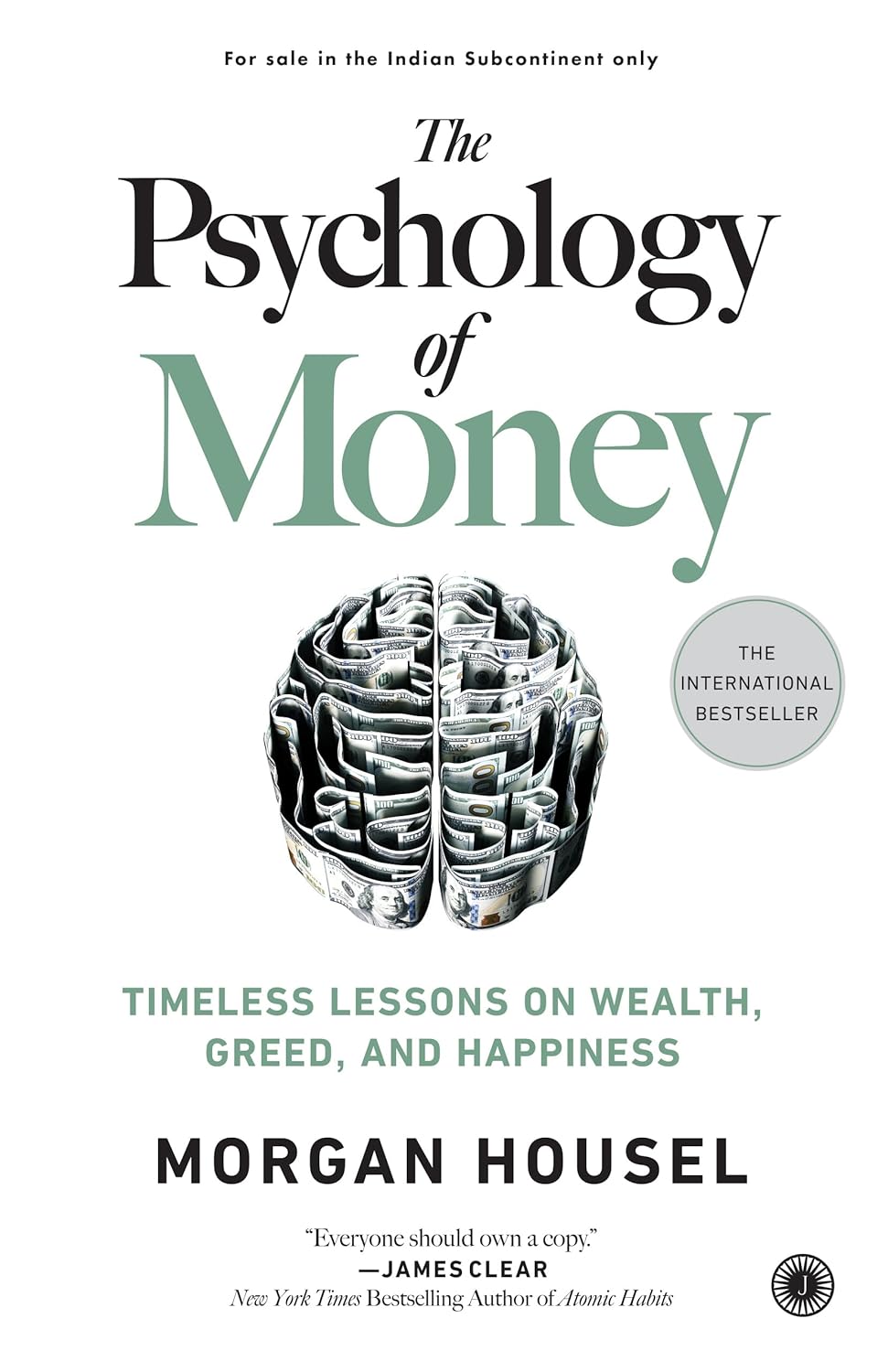
1. The Psychology of Money by Morgan Housel
Core Premise & Psychological Breakthrough
In this modern masterwork, Morgan Housel delivers a truth that most traditional finance textbooks ignore: doing well with money has very little to do with how smart you are and a lot to do with how you behave. Genius without financial discipline can lead to absolute ruin, while an ordinary individual without a formal education can build monumental wealth simply through patience and self-control.
Key Takeaways & Fact-Based Insights
- Behavior Over Technical Knowledge: Academic research consistently demonstrates that individual investor returns routinely lag behind the market index. This performance gap is rarely due to a lack of analytical skill; rather, it stems from emotional reactions like panic selling during market corrections and greedy buying during market peaks.
- The Power of Compounding: Housel reminds us that out of Warren Buffett’s immense net worth, over 99% was accumulated after his 50th birthday. The primary secret behind extraordinary wealth is not securing unrealistic annual returns, but maintaining reasonable returns for an extraordinarily long period.
- Freedom Is the Ultimate Dividend: The highest form of wealth is the ability to wake up every morning and say, “I can do whatever I want today.”
How to Apply It in Your Life
Define your personal threshold for “enough.” Stop shifting your financial goalposts every time your income increases. Design your investment strategy not for maximum theoretical returns on paper, but for emotional sustainability—so you can sleep soundly at night regardless of market volatility.
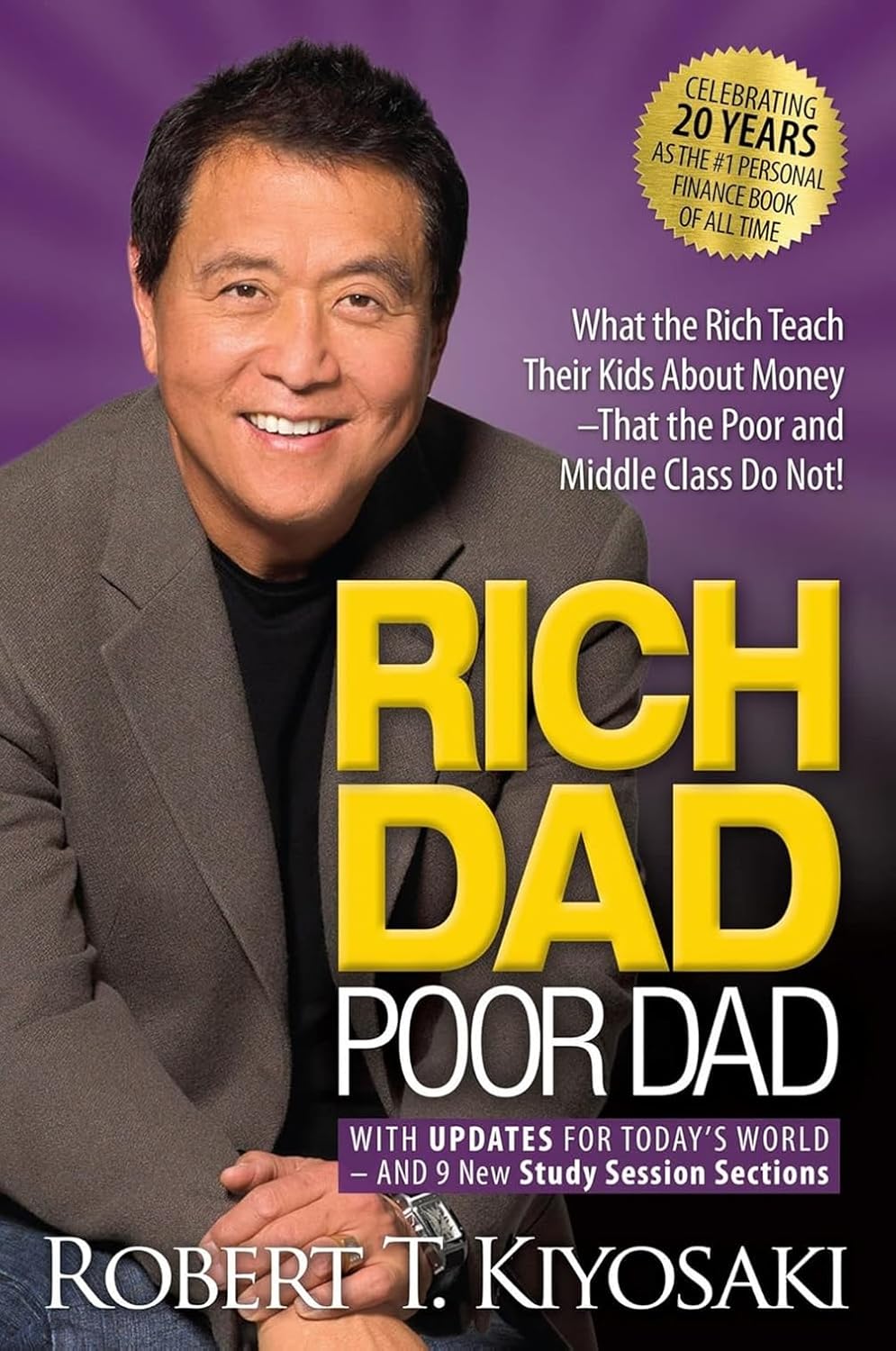
2. Rich Dad Poor Dad by Robert Kiyosaki
Core Premise & Financial Paradigm Shift
Love him or hate him, Robert Kiyosaki’s iconic book remains one of the most powerful mindset-shifters in personal finance history. Through the contrasting stories of his real father (the highly educated “Poor Dad”) and his best friend’s father (the entrepreneurial “Rich Dad”), Kiyosaki exposes why traditional education fails to teach financial literacy.
Key Takeaways & Fact-Based Insights
- Redefining Assets vs. Liabilities: The fundamental rule of wealth creation is simple: rich people acquire assets, while poor and middle-class people acquire liabilities that they falsely believe are assets. An asset puts money into your pocket (like cash-flowing rental property or dividend stocks); a liability takes money out of your pocket (like a luxury personal vehicle or primary residence with hefty maintenance and mortgage costs).
- The Income Statement vs. Balance Sheet Focus: Most people focus solely on boosting earned income through salary raises. Wealthy individuals focus on building income-generating balance sheets.
- Working to Learn, Not to Earn: Prioritize acquiring marketable skills in sales, negotiations, systems design, and capital allocation over mere job security.
How to Apply It in Your Life
Audit your personal balance sheet today. Categorize every item as either a net cash-flow generator or a net cash-flow drain. Reallocate your surplus capital away from depreciating consumer goods and toward dividend-paying equities, index funds, or income-producing assets.
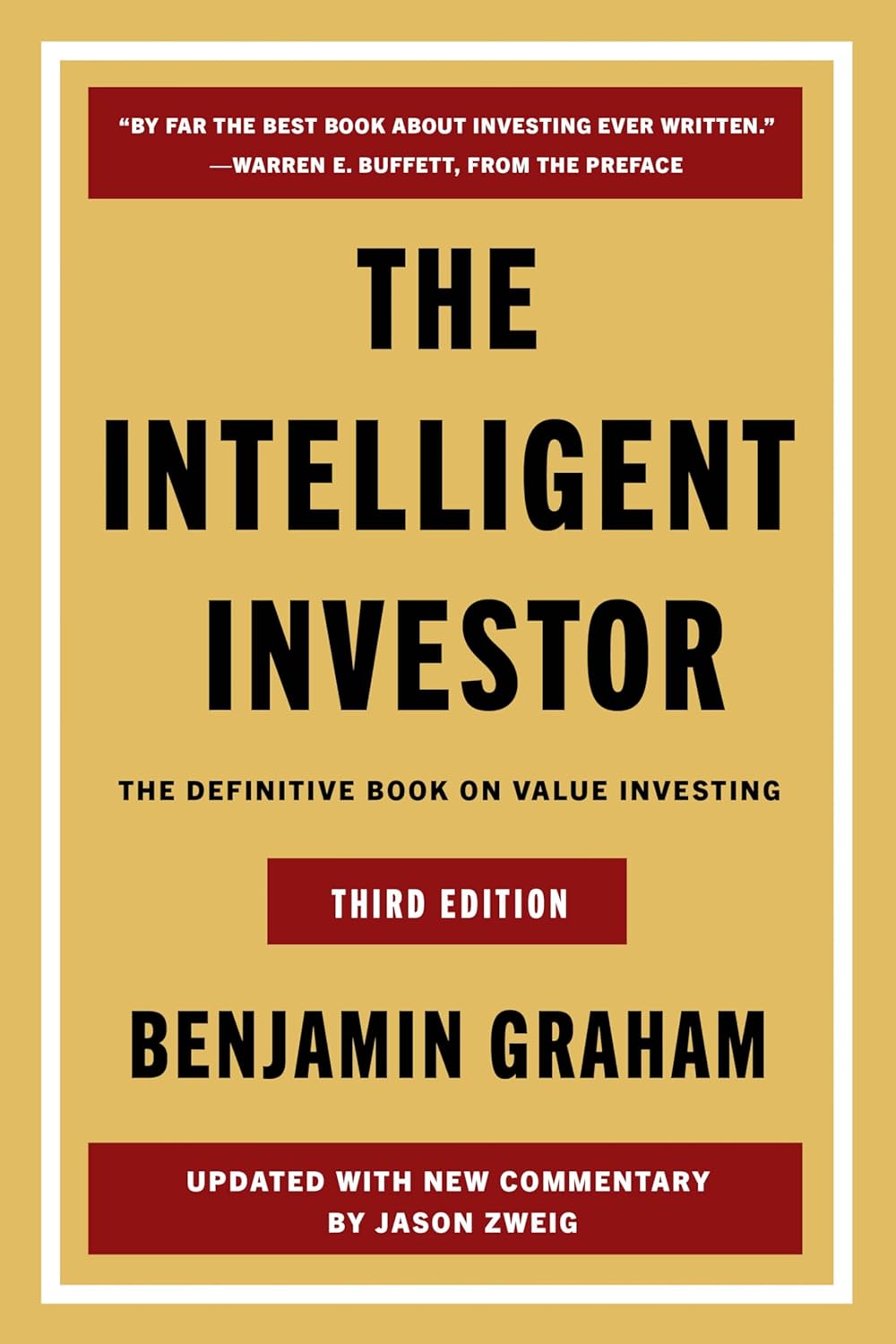
3. The Intelligent Investor by Benjamin Graham
Core Premise & Technical Investment Discipline
First published in 1949, Benjamin Graham’s masterpiece is widely considered the ultimate bible of value investing. Warren Buffett famously described reading this book at age 19 as the single defining moment that shaped his professional life.
Key Takeaways & Fact-Based Insights
- Mr. Market Analogy: Imagine you own a small share in a private business, and every day your partner—an emotional character named “Mr. Market”—offers to buy your share or sell you his at a different price. When Mr. Market is wildly optimistic, his prices are sky-high; when he is depressed, his prices are ridiculously low. Your advantage lies in exploiting his mood swings, not succumbing to them.
- Margin of Safety: The core principle of Graham’s philosophy is never overpaying for an security. A sufficient margin of safety absorbs errors in human calculation, unexpected economic downturns, and market unpredictability.
- Defensive vs. Enterprising Investor: Graham clearly delineates between the defensive investor (who prioritizes safety, simplicity, and low-effort diversification) and the enterprising investor (who devotes extensive time and effort to deep security analysis).
How to Apply It in Your Life
If you lack the time, passion, or analytical capability to rigorously evaluate corporate financial statements, accept your role as a defensive investor. Embrace dollar-cost averaging into broad-market index funds rather than attempting to pick individual speculative stocks.
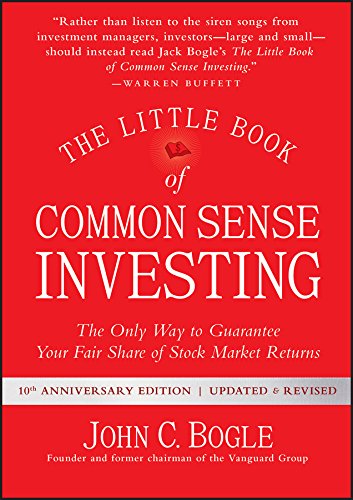
4. The Little Book of Common Sense Investing by John C. Bogle
Core Premise & Empirical Market Realities
Written by the legendary founder of Vanguard, Jack Bogle, this concise book makes an undeniable, mathematical case for passive index investing. Bogle revolutionized global finance by proving that attempting to beat the market is a sucker’s game for the vast majority of investors.
Key Takeaways & Fact-Based Insights
- The Relentless Rules of Humble Arithmetic: Gross stock market returns minus fees and transaction costs equals net investor returns. Over a 30-year period, a seemingly innocent 2% annual management fee can erase nearly 50% of your potential compounded wealth creation!
- The Failure of Active Management: S&P Dow Jones Indices regularly publishes SPIVA scorecard reports showing that over a 15-year horizon, approximately 85% to 90% of actively managed broad market funds underperform their benchmark indices.
- Don’t Needle in the Haystack—Buy the Haystack: Instead of attempting to select individual winning companies, purchase ownership in the entire corporate economy through low-cost, total market index funds.
How to Apply It in Your Life
Transfer your long-term wealth accumulation into low-cost, total-market index funds with expense ratios below 0.10%. Minimize portfolio turnover, ignore daily financial news media, and let compounding perform the heavy lifting over decades.
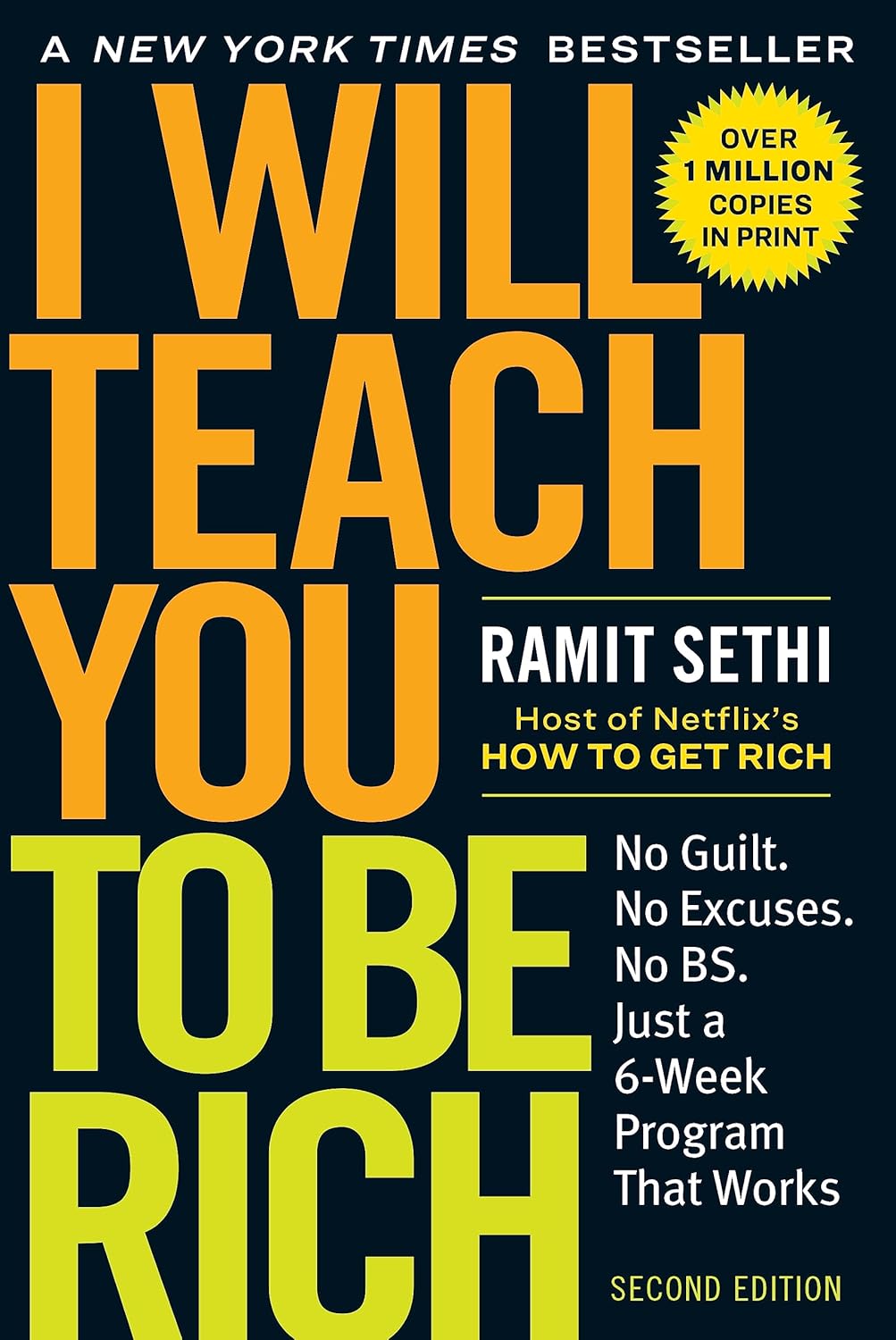
5. I Will Teach You to Be Rich by Ramit Sethi
Core Premise & Practical System Building
Ramit Sethi offers a refreshing, no-bullshit 6-week program designed specifically for young professionals and modern earners. Unlike traditional finance gurus who preach extreme frugality, cutting out small pleasures, and living in deprivation, Sethi preaches “conscious spending”—spending guilt-free on the things you love while cutting costs ruthlessly on things you don’t care about.
Key Takeaways & Fact-Based Insights
- Automate Your Personal Finances: Human willpower is a finite resource. By setting up an automated financial infrastructure—where your paycheck automatically routes funds to savings, investments, fixed bills, and guilt-free spending—you eliminate decision fatigue and guarantee progress.
- Focus on $30,000 Questions, Not $3 Questions: Spending hours agonizing over $4 coffees produces marginal results. Instead, focus your energy on high-impact decisions: negotiating your salary, choosing the right asset allocation, buying the right home, and lowering investment fees.
- Define Your Rich Life: A “Rich Life” is deeply personal. For one person, it might mean traveling business class twice a year; for another, it might mean having the freedom to pick up their kids from school every day.
How to Apply It in Your Life
Map out your bank accounts, credit cards, and investment portals into a seamless automated flow. Set up recurring transfers to execute on the day your salary lands in your checking account.
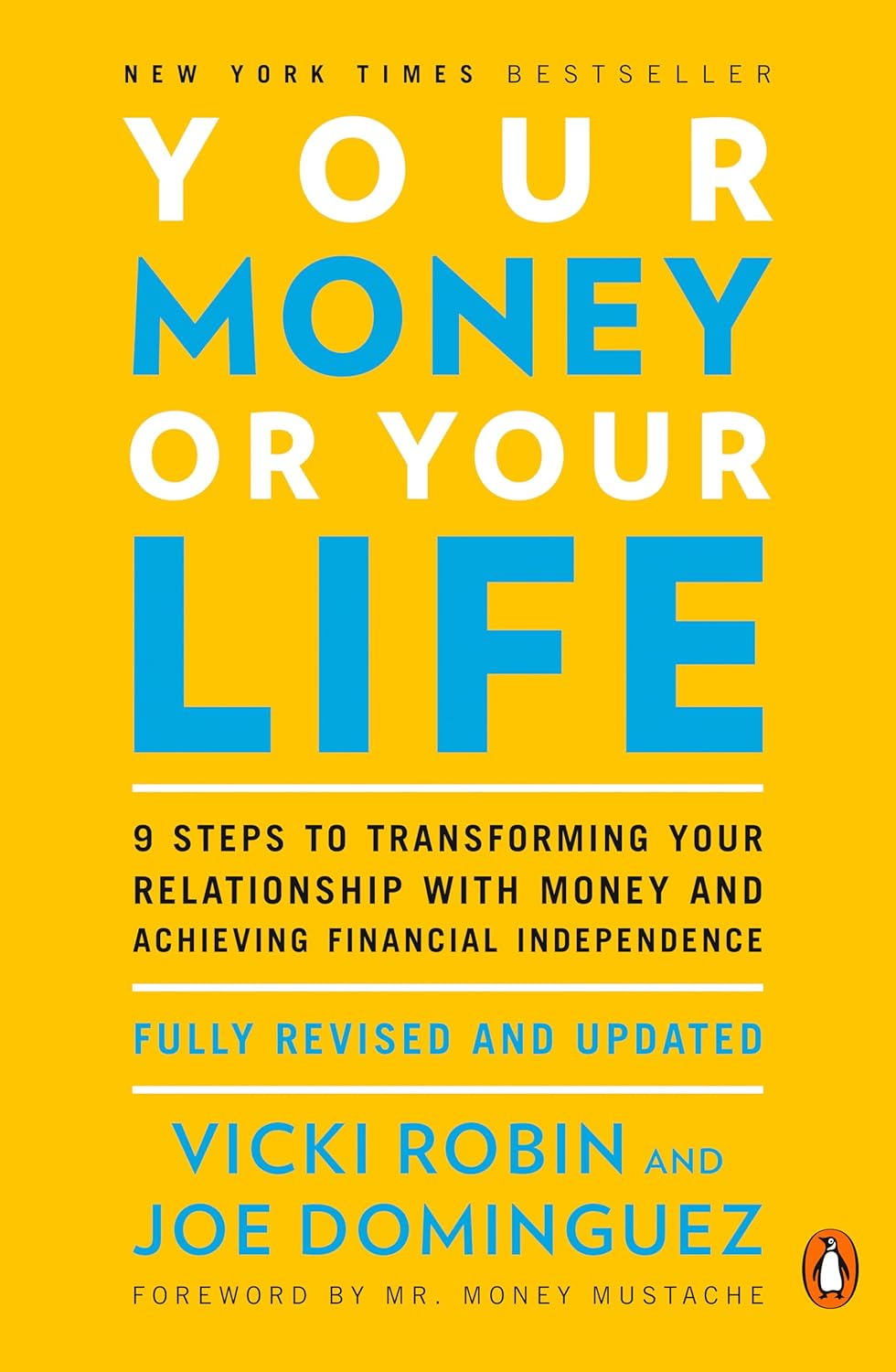
6. Your Money or Your Life by Vicki Robin and Joe Dominguez
Core Premise & Life Energy Economics
This foundational text launched the modern Financial Independence, Retire Early (FIRE) movement. It forces you to confront a profound reality: money is not merely paper currency or numbers on a digital screen—it is something you trade your finite life energy for.
Key Takeaways & Fact-Based Insights
- Calculating Your Real Hourly Wage: Your true hourly wage is significantly lower than your nominal rate. When you subtract taxes, commuting costs, work wardrobes, stress-relief spending, and convenience meals—and add commuting hours and work prep time—your actual take-home rate per hour reveals the true cost of your career.
- The Fulfillment Curve: Increased spending improves your quality of life up to a point of baseline comfort. Beyond that threshold, extra spending yields diminishing returns and eventually introduces clutter, anxiety, and complexity.
- crossover point: The magical moment when your monthly passive income from investments surpasses your monthly living expenses, granting complete financial sovereignty.
How to Apply It in Your Life
Before making any significant non-essential purchase, convert the monetary price into hours of life energy based on your real hourly wage. Ask yourself candidly: “Is this item worth trading X hours of my irreplaceable life energy?”
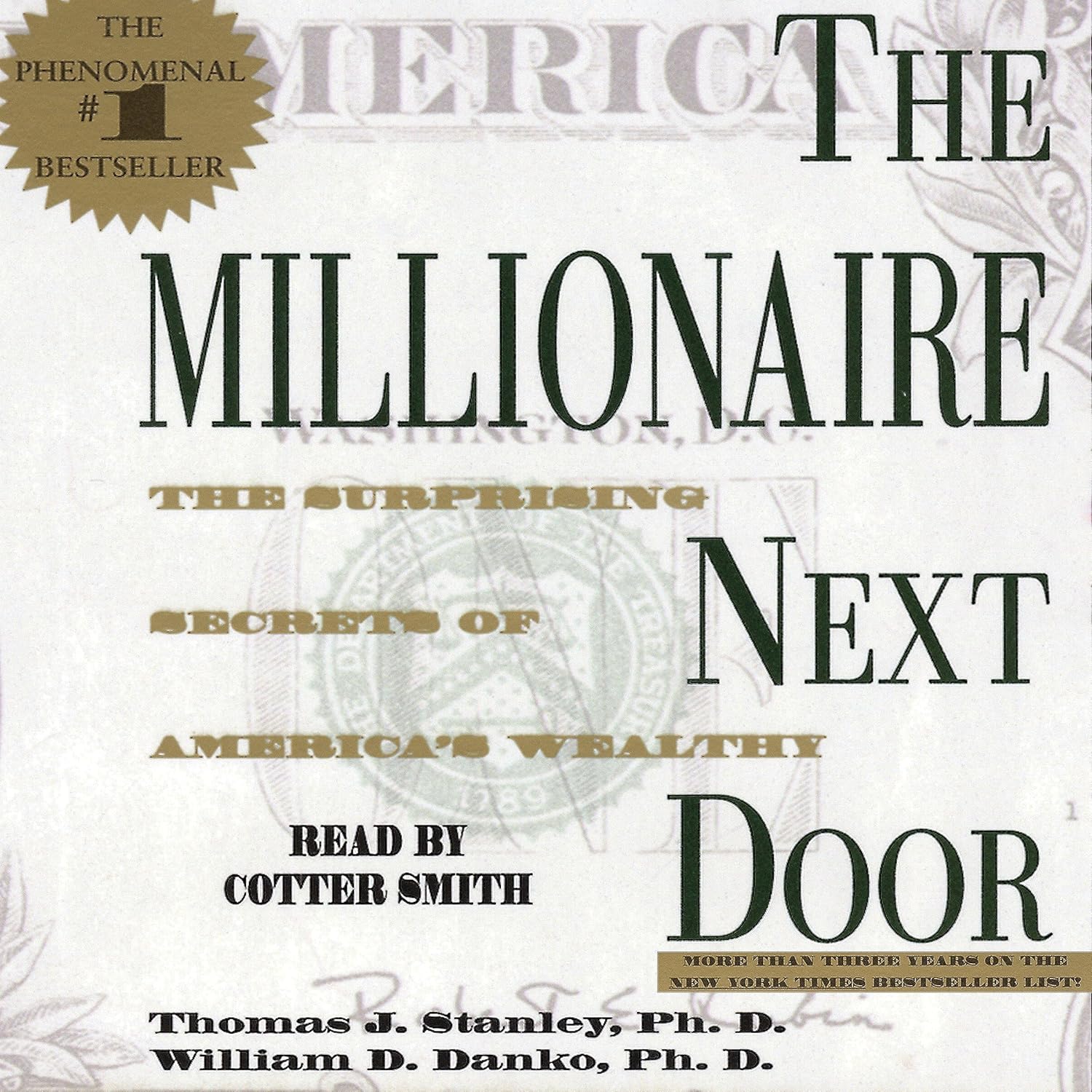
7. The Millionaire Next Door by Thomas J. Stanley & William D. Danko
Core Premise & Empirical Wealth Analysis
Based on extensive empirical studies and surveys of real American millionaires, Stanley and Danko shatter the popular pop-culture myth of how millionaires live. They reveal that genuine wealth is rarely flashy, noisy, or ostentatious.
Key Takeaways & Fact-Based Insights
- PAWs vs. UAWs: The authors categorize people into Prodigious Accumulators of Wealth (PAWs) and Under Accumulators of Wealth (UAWs). UAWs often earn high incomes but spend lavishly to signal status, resulting in low net worth. PAWs, conversely, maintain low-consumption lifestyles and aggressively convert income into net worth.
- High Income ≠ High Wealth: Income is what you bring in today; wealth is what you accumulate and keep for tomorrow. Conspicuous consumption is the greatest single obstacle to wealth creation.
- Economic Outpatient Care (EOC): Financial gifts given by wealthy parents to adult children often undermine the children’s financial self-reliance, leading to perpetual overspending habits.
How to Apply It in Your Life
Distinguish between lifestyle display and net worth building. Drive a reliable, practical car, live in a modest neighborhood below your financial capacity, and channel your excess cash flow into productive, compounding investments.
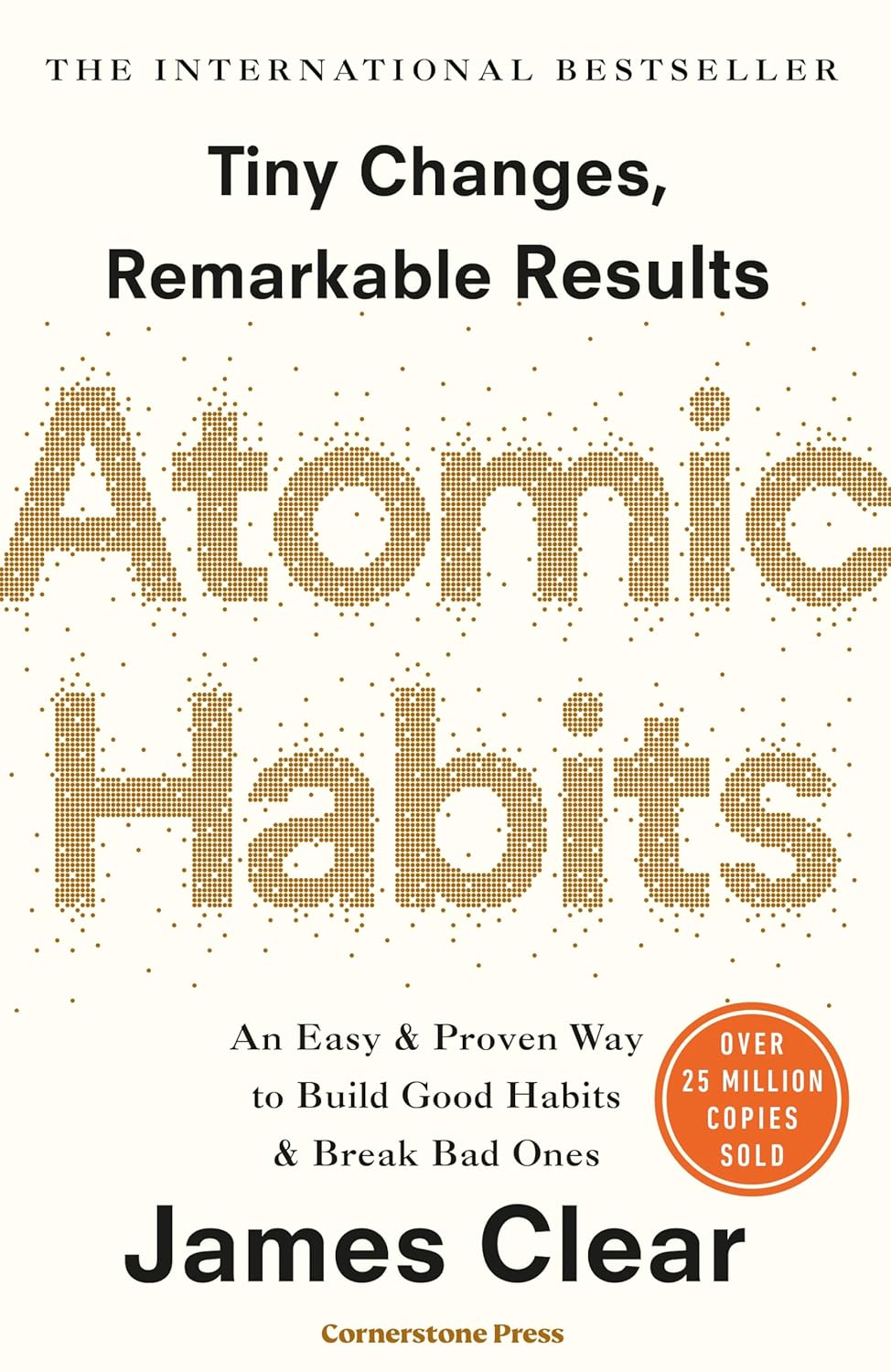
8. Atomic Habits by James Clear
Core Premise & Habitual Wealth compounding
While technically a behavioral psychology book, Atomic Habits is, in my opinion, one of the single best personal finance books ever written. Financial success is not an event—it is the direct lagging measure of your daily execution and behavioral systems.
Key Takeaways & Fact-Based Insights
- The 1% Compounding Rule: Improving by just 1% every day results in a 37-fold improvement over a single year ($1.01^{365} = 37.78$). Conversely, letting habits degrade by 1% daily degrades your performance almost down to zero ($0.99^{365} = 0.03$).
- Systems Over Goals: You do not rise to the level of your goals; you fall to the level of your systems. Setting a goal to save $50,000 is useless without a reliable, automated system that executes the savings for you automatically.
- Identity-Based Behavior Change: True habit change is identity change. Shift your self-talk from “I am trying to save money” to “I am a financially disciplined investor.”
How to Apply It in Your Life
Design environment-based financial friction. Make unwanted financial behaviors difficult (e.g., remove saved credit card numbers from online shopping portals) and make positive financial behaviors frictionless (e.g., set up automatic investment deposits).
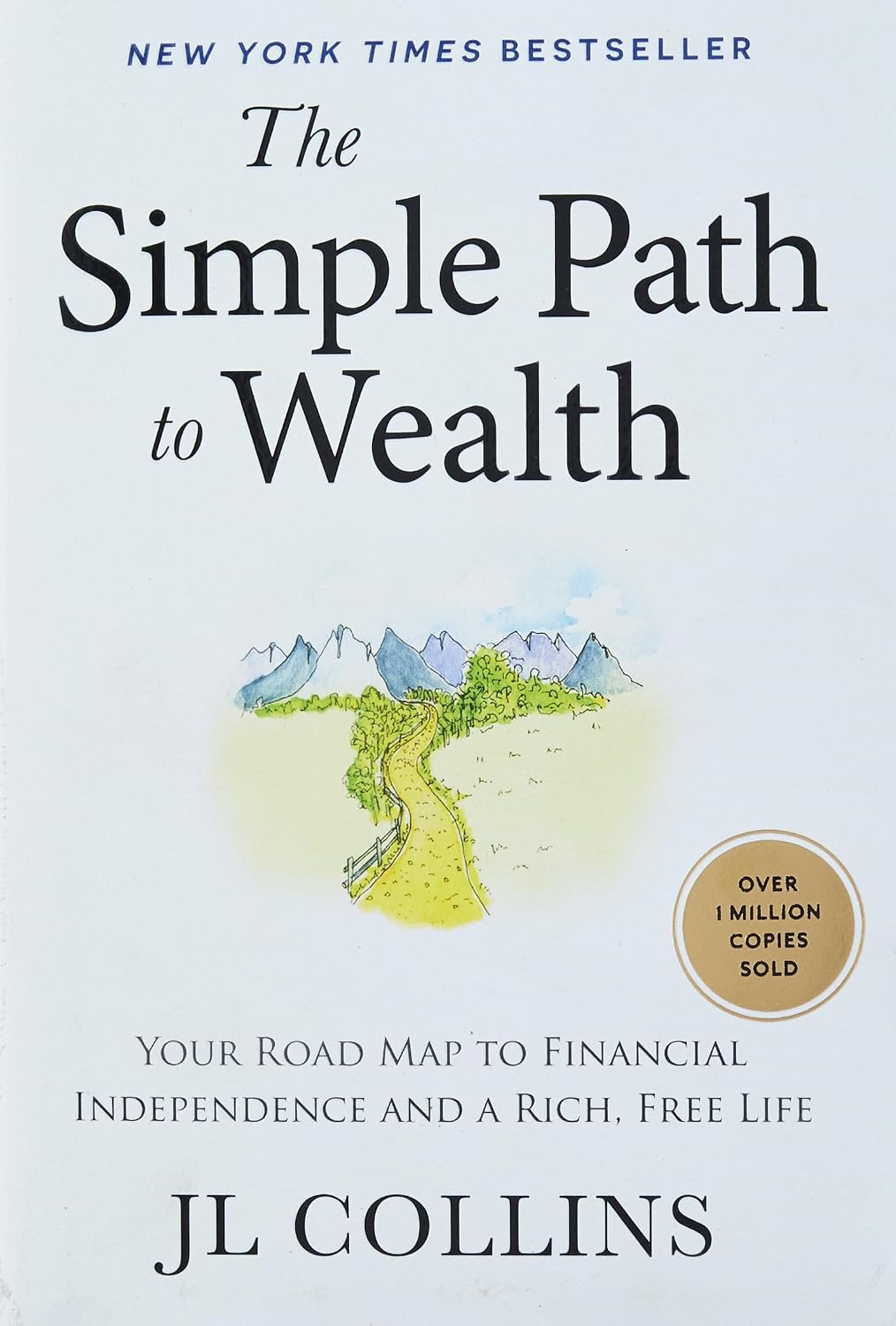
9. The Simple Path to Wealth by JL Collins
Core Premise & Elegant Financial Freedom
Originating as a series of letters written from a loving father to his daughter, JL Collins synthesizes the entire world of investing into an incredibly clean, straightforward, and powerful blueprint.
Key Takeaways & Fact-Based Insights
- F-You Money: Having a financial buffer grants you unprecedented personal liberty. It allows you to walk away from toxic workplaces, bad business deals, or soul-crushing career paths without fear.
- VTSAX and Chill: Collins advocates for extreme simplicity in investing: allocating capital heavily into broad-market total stock index funds (such as Vanguard’s VTSAX or similar total market ETFs).
- Debt is Financial Slavery: High-interest debt is an absolute emergency. It destroys compound interest in reverse, making wealth accumulation mathematically impossible.
How to Apply It in Your Life
Eliminate all consumer debt aggressively. Establish a dedicated 6-to-12-month emergency reserve, and sweep all remaining excess monthly capital into broad total market index funds. Keep your strategy clean, predictable, and simple.
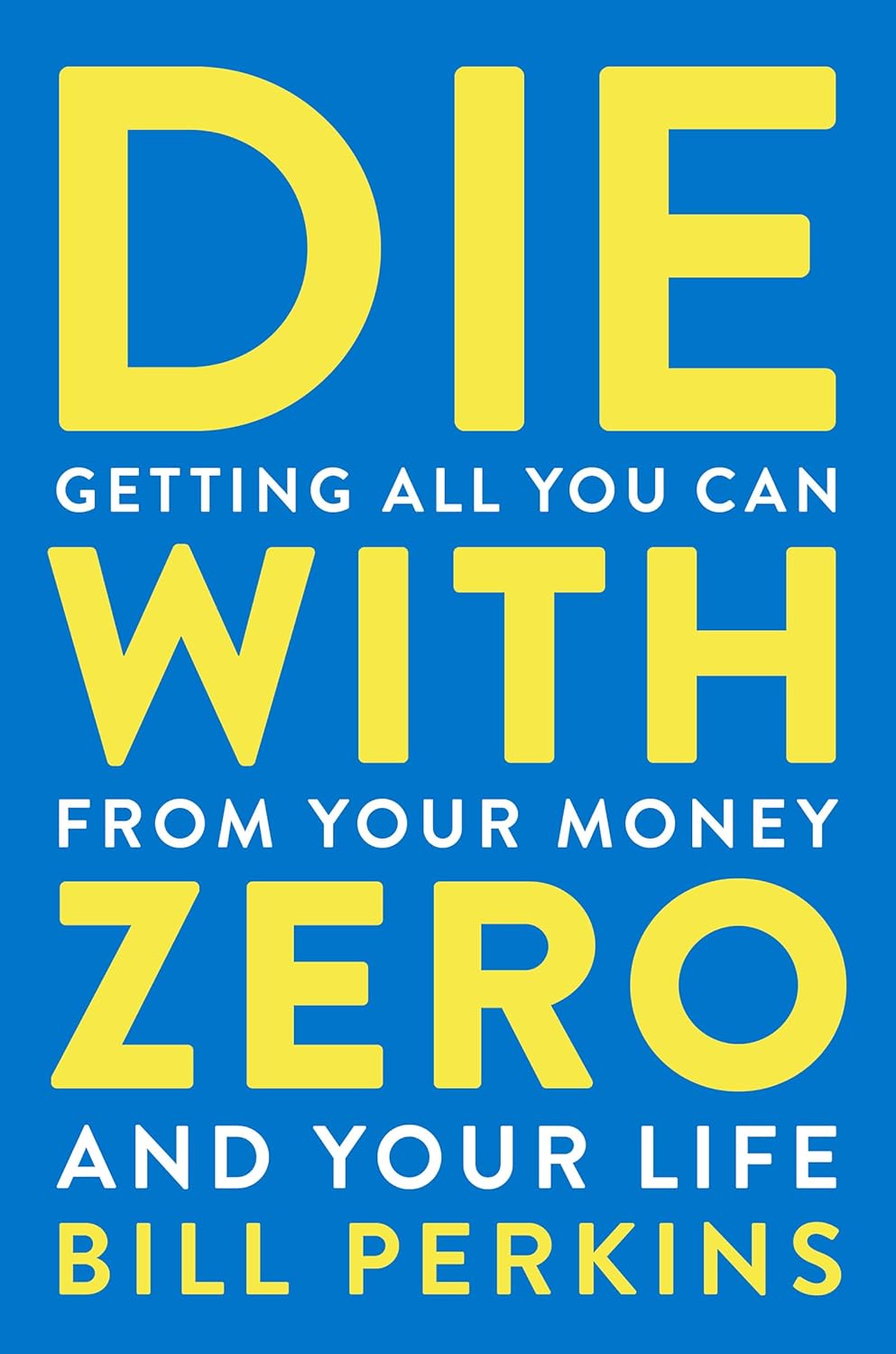
10. Die With Zero by Bill Perkins
Core Premise & Optimal Life Energy Allocation
Most personal finance books focus exclusively on how to save and accumulate capital. Bill Perkins provides the vital counter-perspective: how to thoughtfully spend and optimize your money so you do not waste your limited time on Earth accumulating capital you will never use.
Key Takeaways & Fact-Based Insights
- Memory Dividends: Experiences yield lasting psychological returns called “memory dividends.” Investing in meaningful experiences early in life pays ongoing emotional returns for decades.
- Time-Bucketing Your Life: Certain experiences are age-dependent. Hiking the Inca Trail or participating in rigorous physical adventures is best enjoyed in your 20s or 30s, whereas quiet leisure travel can be enjoyed in retirement.
- The Utility of Money Decreases with Age: $10,000 spent at age 25 creates vastly more lifestyle utility than $10,000 spent at age 85, when health and mobility are naturally diminished.
How to Apply It in Your Life
Map your life into 5-year time buckets. Identify the experiences you wish to enjoy in each life stage, allocate funds purposefully toward them, and aim to give or spend your accumulated wealth systematically before you die.
Comparative Reading Matrix: Choosing the Right Book for Your Current Stage
| Book Title | Author | Primary Focus Area | Ideal Reader Profile | Difficulty Level |
| The Psychology of Money | Morgan Housel | Financial Psychology & Mindset | Everyone / All Levels | Beginner |
| Rich Dad Poor Dad | Robert Kiyosaki | Asset Building & Entrepreneurship | Beginners needing a mindset reset | Beginner |
| The Intelligent Investor | Benjamin Graham | Value Investing & Risk Management | Analytical / Serious Stock Investors | Advanced |
| The Little Book of Common Sense Investing | John C. Bogle | Index Investing & Passive Wealth | Long-term Index Investors | Intermediate |
| I Will Teach You to Be Rich | Ramit Sethi | Automation, Budgeting & Systems | Young Professionals & Earner Class | Beginner |
| Your Money or Your Life | Vicki Robin & Joe Dominguez | FIRE Movement & Life Energy | Freedom Seekers & Early Retirees | Intermediate |
| The Millionaire Next Door | Thomas J. Stanley | Wealth Accumulation Behaviors | Frugal Earners & Saver Profiles | Intermediate |
| Atomic Habits | James Clear | Behavioral Execution & Systems | Anyone building financial discipline | Beginner |
| The Simple Path to Wealth | JL Collins | Simple Indexing Strategy | Beginner & Intermediate Investors | Beginner |
| Die With Zero | Bill Perkins | Life Optimization & Wealth Spending | Established Savers & Accumulators | Intermediate |
How to Build a Sustainable Financial Reading Habit
Reading finance books is only step one; retaining and applying the knowledge is where real financial transformation takes place. Here is the exact system I personally use to turn theoretical reading into tangible net worth growth:
1. Read with an Action Notebook
Never read a financial book passively like a fiction novel. Keep a physical notebook or digital app open. At the end of every chapter, force yourself to write down one actionable task you can implement immediately within 24 hours.
2. The 80/20 Implementation Rule
Do not try to implement every single recommendation in a 300-page book. Focus on the vital 20% of concepts that deliver 80% of the results. If a book inspires you to do just one major thing—like setting up automated indexing or renegotiating a major recurring bill—it has paid for itself a thousand times over.
3. Re-read the Classics Annually
Your financial priorities will shift as your net worth grows, your career evolves, or your family dynamic changes. A book like The Psychology of Money or The Simple Path to Wealth reveals entirely new dimensions of wisdom when read at age 35 compared to when you first read it at age 22.
Final Thoughts: Your Path to Financial Freedom Starts Today
Financial freedom is rarely built overnight through luck or sudden windfalls. It is built quietly, brick by brick, through continuous education, disciplined habits, and long-term perspective.
If you are feeling overwhelmed about where to start, do not try to read all ten books at once. Pick the one book from this list that speaks directly to your current financial challenge:
- Want to fix your spending mindset? Grab The Psychology of Money.
- Want an automated, step-by-step financial system? Pick up I Will Teach You to Be Rich.
- Want the absolute simplest investment playbook? Start with The Simple Path to Wealth.
Commit to reading just 10 pages a day. In less than a month, you will have completed your first book, gained invaluable knowledge, and taken a massive step toward long-term financial independence.
Which of these books are you picking up first? Drop your thoughts in the comments below, and let’s keep building wealth together right here on FMA By Abhishek!